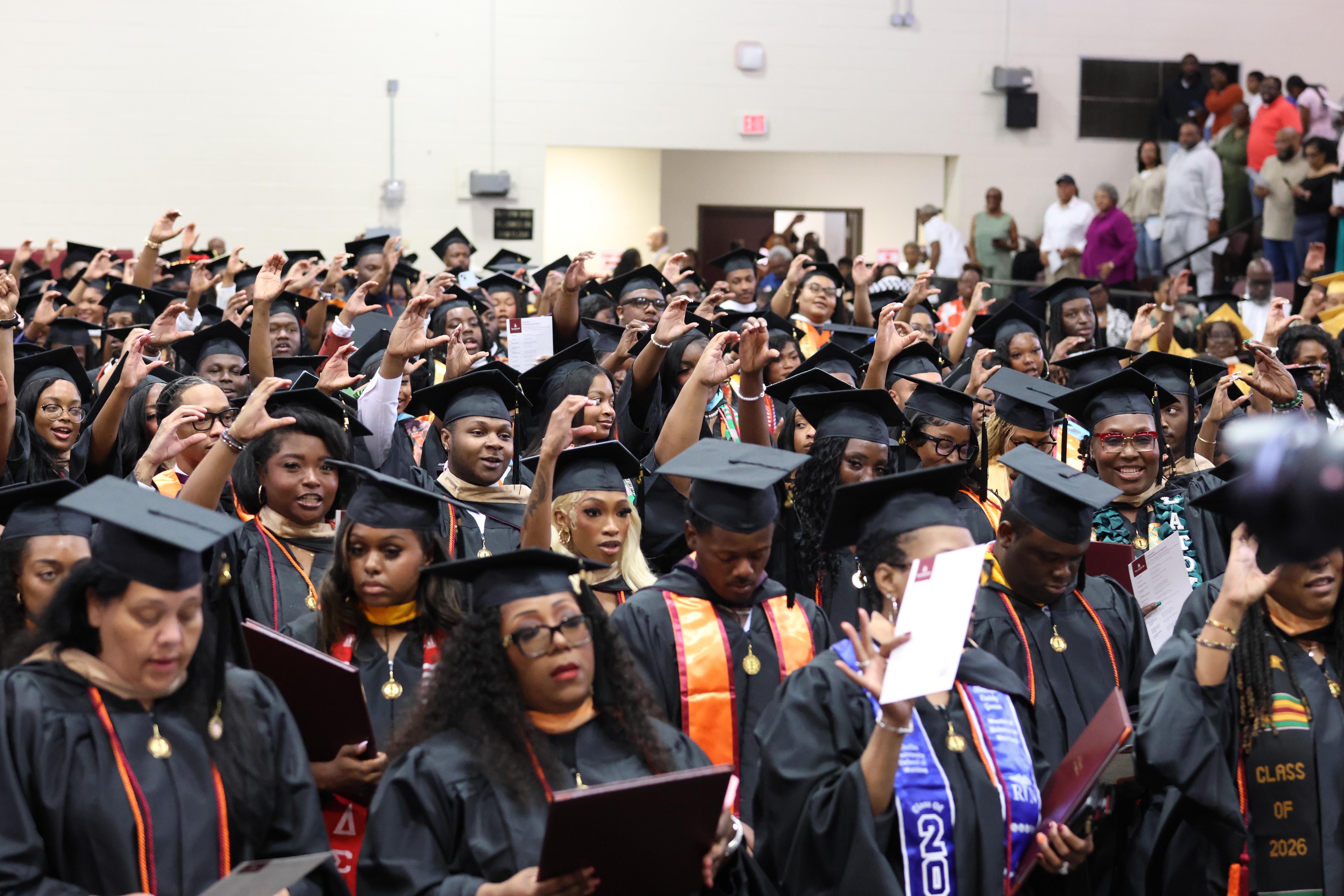
Claflin University students and campus life
Department of Education

M.Ed. in Curriculum and Instruction

Deepen your teaching expertise and step into instructional leadership.

Degree Type
Master of Education
Program Length
2 years (flexible)
Credit Hours
Graduate program
Delivery Format
On-campus / online
Department
Department of Education
School
Education
Career Outlook
Strong, growing demand
Location
Orangeburg, SC
Overview

Inside M.Ed. in Curriculum and Instruction.

The Master of Education in Curriculum and Instruction helps practicing educators deepen their instructional expertise and advance their careers.

Flexible coursework builds advanced skills in curriculum design, assessment, and instructional leadership.

Student experience

Students in M.Ed. in Curriculum and Instruction learn in small, mentorship-driven classes, work closely with faculty on research and creative projects, and build a portfolio of real-world experience before they graduate.

What You'll Learn

  • 01Design and evaluate curriculum
  • 02Apply research-based instructional practice
  • 03Use assessment data to improve learning
  • 04Lead instructional improvement

Why This Program

  • Built for working educators
  • Flexible on-campus and online formats
  • Instructional leadership focus
Program details

From the Program

The Master of Education in Curriculum and Instruction at Claflin University is designed to meet the needs of 21st century teaching and learning by offering a program that considers the experiences and needs of current teachers and professional educators.

Curriculum

A Master's degree in Curriculum and Instruction benefits certified classroom teachers as well as professionals with bachelor's degrees in related fields.

The program is in an asynchronous online format. Fall and spring semesters are eight weeks long, and there are two six-week summer sessions. The program is a total of 36 credit hours.

Core Courses (CC) Required 6 Courses - 18 Credit Hours

  • EDUC 550 - Introduction to Educational Research (3 hours)
  • EDUC 551 - Educational Research Methods (3 hours)
  • EDUC 559 - Working with Diverse Learners (3 hours)
  • EDUC 562 - Seminar in Literacy (3 hours)
  • EDUC 567 - Teaching and Learning (3 hours)
  • EDUC 569 - Reading and Writing across the Curriculum (3 hours)

Curriculum and Instruction Courses (CI) Required 4 Courses - 12 Credit Hours

  • EDUC 558 - Schools and Communities (3 hours)
  • EDUC 580 - Curriculum Integration (3 hours)
  • EDUC 581 - Comparative Education (3 hours)
  • EDUC 583 - Behavior Management (3 hours)
  • EDUC 586 - Special Topics (3 hours)

Track 1: Content Focus - Comprehensive Examination (Required 2 Courses - 6 Credit Hours)

  • EDUC 560 - Seminar in Math Education (3 hours)
  • EDUC 561 - Seminar in Science Education (3 hours)
  • EDUC 564 - Seminar in Social Studies (3 hours)
  • EDUC 573 - Issues in Secondary Education (3 hours) (Please note Comprehensive Exam Track 1 requirements: Candidates in the program will take the comprehensive exam on the two course selected in Track 1. Students in Track 1 must enroll in EDUC 595 to complete the modules for comprehensive exam.)

Track 2: Research Focus - Thesis (Required 2 Courses - 6 Credit Hours)

  • EDUC 590 - Action Research I (3 hours)
  • EDUC 591 - Action Research II (3 hours)

Careers and Outcomes

Graduates are qualified for numerous positions as a professional education including instructional coordinators, curriculum specialists and education specialists. Many have launched careers with non-profit organizations, government agencies and corporations. Curriculum and instruction job requirements are likely to include:

  • Following trends in teaching and learning
  • Developing curriculum and instruction
  • Coordinating the implementation of curriculum
  • Planning and conducting teacher training
  • Observing teacher instruction and analyzing data to determine curriculum and instruction effectiveness
  • Reviewing and recommending textbooks
  • Mentoring teachers in instruction skills

Those who fill these roles are also often expected to conduct needs assessments, develop learner assessment instructions, create lesson plans, do action research for trending, work with design teams and embrace educational technology.

Knowledge of state and federal regulations, as well as the requirements of their local governing bodies, such as a school board or board of trustees are often also required.

Admissions Requirements

  • Bachelor’s degree from an accredited institution (official transcript(s) required) Current resume
  • Professional licensure or relevant experience for non-licensed applications
  • Statement of purpose explaining your personal philosophy of education
  • Miller Analogies Test (MAT) or Graduate Record Examination scores (within the past 5 years) OR evidence of 3 years of successful full time K-12 teaching experience
  • Two letters of recommendation

For International Students

  • Bachelor’s degree (official transcript(s) required)
  • Official certificates and/or final secondary school records, university transcripts and mark sheets with official translations if the document is in another language should be provided. For evaluation, international applicants should send their transcripts to World Education Services (WES): World Education Services, P.O. Box 5087, Bowling Green Station, New York, NY 10274-5087 (www.wes.org)
  • Current resume
  • Professional licensure of relevant experience for non-licensed applicants
  • Statement of purpose explaining your personal philosophy of education
  • English Language Proficiency Tests: TOEFL 550, IBT TOEFL 79, or IELT 6.5 (within the past five years)
  • Miller Analogies Test (MAT) or Graduate Record Examination scores (within the past 5 years) OR evidence of 3 years of successful full time K-12 teaching experience
  • Two letters of recommendation
Curriculum

What You'll Study.

Major Requirements

  • 01Foundational core sequence for the M.Ed. in Curriculum and Instruction major
  • 02Methods, theory, and applied coursework
  • 03Upper-division concentration courses
  • 04Capstone, portfolio, or senior research experience

General Education

  • 01First-Year Experience & University Seminar
  • 02Written and Oral Communication
  • 03Quantitative Reasoning & Natural Sciences
  • 04Humanities, Social Sciences & the Arts

Electives

  • 01Free electives toward the 120-credit degree
  • 02Optional minor or second concentration
  • 03Study away / experiential credit options
Sample four-year plan
Year One
  • University core & seminar
  • Introductory major foundations
Year Two
  • Major methods & theory
  • General education breadth
Year Three
  • Upper-division major courses
  • Internship or research
Year Four
  • Concentration electives
  • Capstone / senior experience

Downloadable curriculum sheet — coming soon

Career pathways

Where This Degree Takes You.

Common Job Titles

  • Lead Teacher
  • Instructional Coach
  • Curriculum Specialist
  • Department Chair
  • Education Administrator

Graduate School Options

  • Ed.S. / Ed.D. programs
  • Doctoral education programs

Industry Sectors

  • K–12 Education
  • Educational Leadership
  • Curriculum & Assessment
  • Education Nonprofits
Salary outlook

Salary outcomes vary by role and region — connect with Claflin Career Services for current, verified data for this field.

Employment statistics

Add program placement rate and outcomes data

Experiential learning

Learn by Doing.

Real experience is built into the program — from internships and research to service learning and study abroad.

Internships

Placements with regional employers and partners connected to the Department of Education.

Undergraduate Research

Mentored, faculty-led research beginning as early as the first year.

Field Experiences

Site visits, practica, and community-based learning that apply classroom theory.

Service Learning

Projects that connect coursework to Orangeburg and the surrounding community.

Study Abroad

Global programs coordinated through the Office of Global Programs.

Faculty

Learn from Dedicated Scholars.

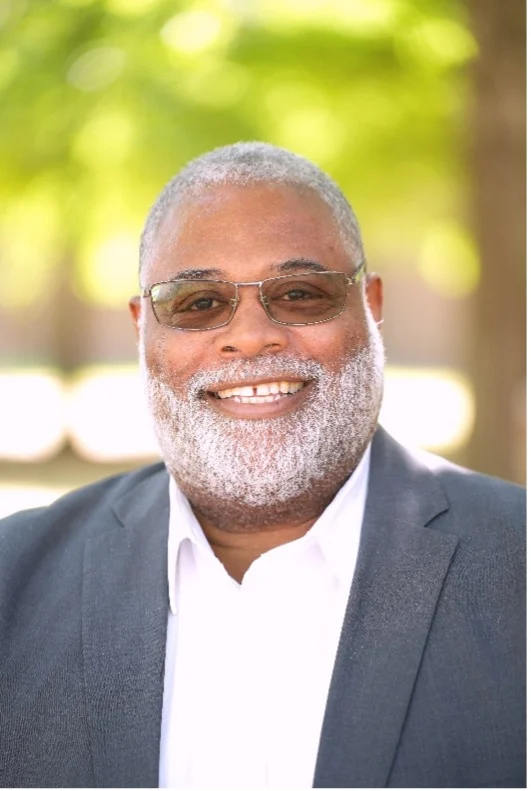
Portrait of Dr. Daryl Brockington

Dr. Daryl Brockington

Assistant Professor of Education • School of Education, Interim Chair

Focus

Education

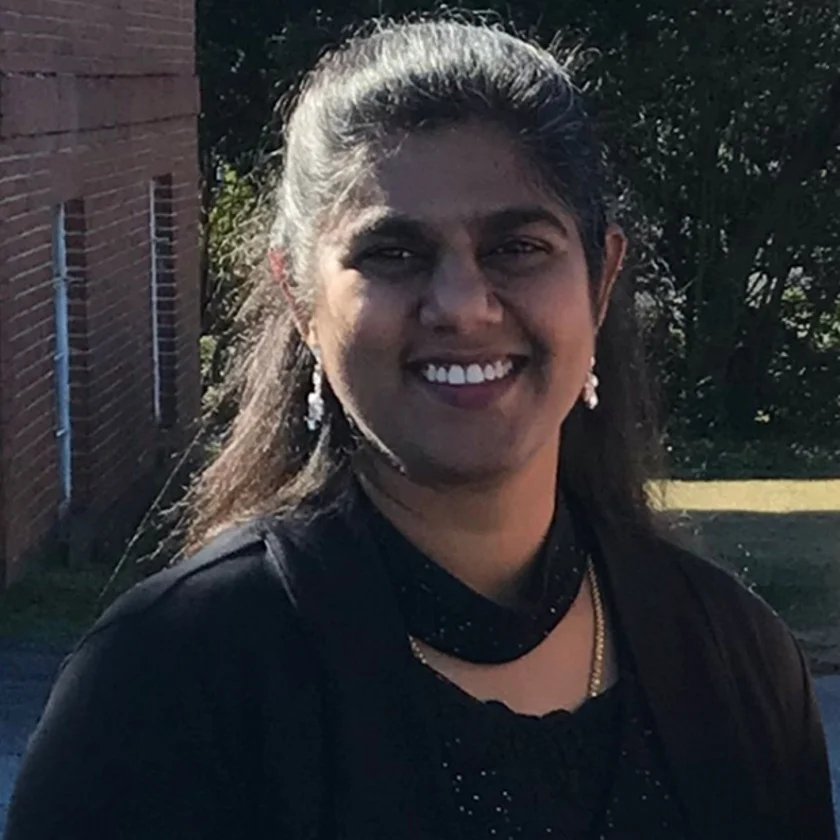
Portrait of Dr. Friggita Johnson

Dr. Friggita Johnson

Associate Professor of Education

Focus

Education

Student success

Outcomes That Speak for Themselves.

Sample spotlights — replace with real student & alumni stories.

“The M.Ed. in Curriculum and Instruction program gave me the mentorship and hands-on experience to step confidently into my career.”
Claflin Graduate
Add alumni name, class year & current role
“My professors knew me by name and pushed me to do work I didn't know I was capable of.”
Current Student
Add student name, classification & spotlight
Admissions

How to Apply.

Requirements

  • Completed Claflin University application
  • Official high school transcript (or college transcripts for transfers)
  • Self-reported test scores (test-optional pathways available)
  • Personal statement and any program-specific materials

Deadlines

  • Fall priority: November 1 — Spring priority: November 15
  • Rolling admission after priority dates while space remains
  • Financial aid: complete the FAFSA by the published priority date

Application Process

  1. 01Submit your free application online
  2. 02Send official transcripts and supporting documents
  3. 03Connect with your admissions counselor
  4. 04Receive your decision and financial aid package

Answer the call

Your M.Ed. in Curriculum and Instruction Journey Starts Here.

Take the next step toward a Claflin education — apply, request information, or schedule a visit today.