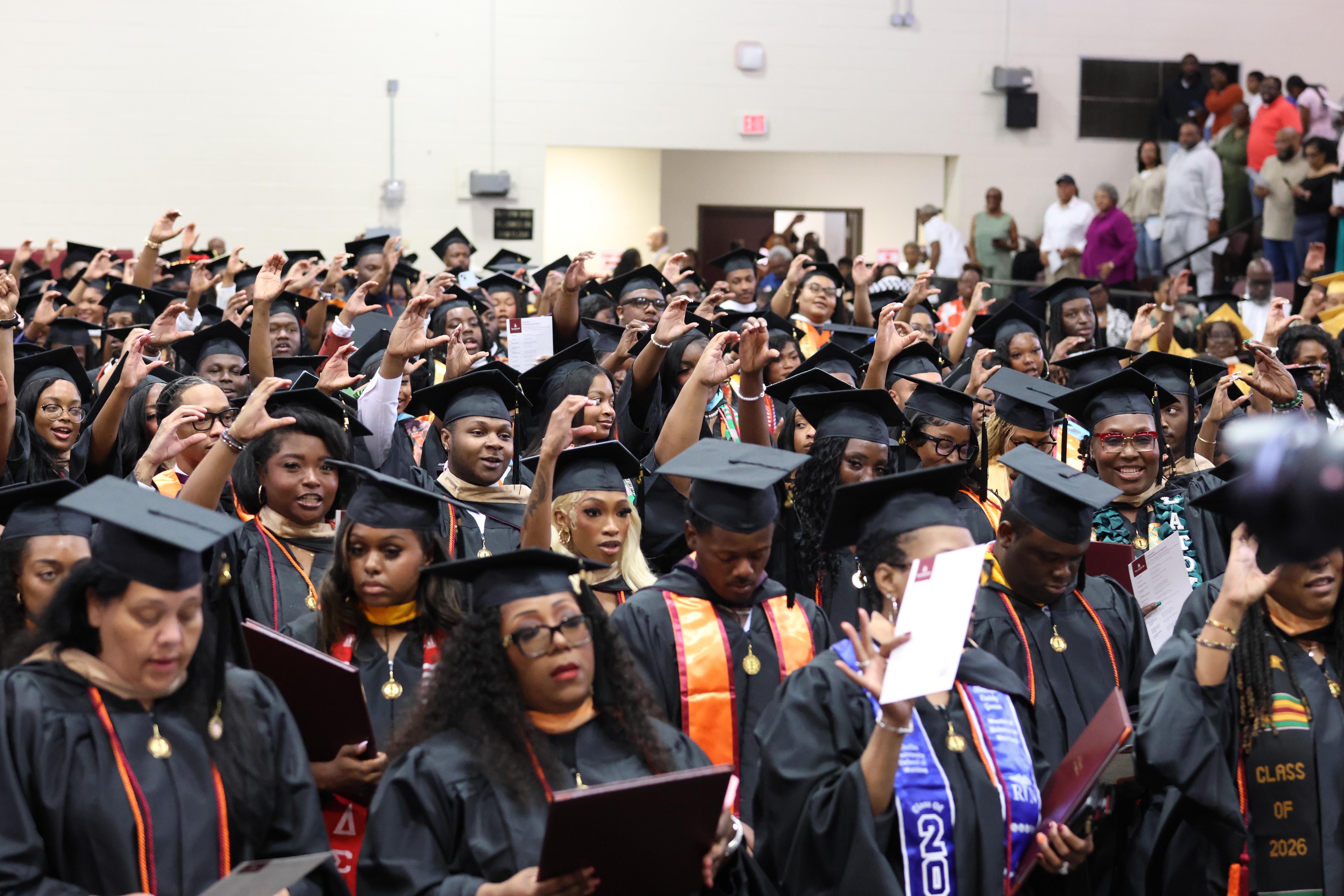
Claflin University students and campus life
Department of Music

Music Education

Prepare to teach and lead music programs through rigorous performance, pedagogy, and clinical practice.

Degree Type
Bachelor of Arts
Program Length
4 years (full-time)
Credit Hours
120–128 credit hours
Delivery Format
On-campus
Department
Department of Music
School
Humanities & Social Sciences
Career Outlook
Steady regional demand
Location
Orangeburg, SC
Overview

Inside Music Education.

The Bachelor of Arts in Music Education is a professional degree for students who plan to teach music in grades K–12, with performing areas in piano, vocal, or instrumental music.

The program also prepares graduates to pursue graduate study in music education, blending applied performance, music theory and history, conducting, ensembles, and supervised classroom teaching.

Student experience

Music Education students perform in University Band and University Choir, study one-on-one in their primary performing area, and complete supervised field experience and student teaching in K–12 classrooms before they graduate.

What You'll Learn

  • 01Demonstrate musical proficiency in performance, theory, history, and conducting
  • 02Plan and teach standards-aligned music instruction
  • 03Assess learners and adapt instruction across classroom and ensemble settings
  • 04Complete student teaching and required teacher-education assessments

Why This Program

  • Clear path to K–12 music teacher licensure
  • Performing areas in piano, vocal, or instrumental music
  • NASM-accredited department; NCATE-accredited education program
  • Strong preparation for graduate study in music education
Program details

Curriculum and Clinical Practice

Coursework for the degree of Bachelor of Arts in Music Education might include: Music Theory, Piano, University Band, Music Theory, Music History, World Music, General Conducting; Woodwinds, University Choir, Vocal Pedagogy; Applied Voice and more!

Admission Requirements to Clinical Practice

Admission to professional clinical practice (student teaching) usually occurs during the first semester of the senior year if all of the following have been achieved:

  1. Cumulative grade point average of a minimum of 2.75
  2. Passing scores on all appropriate Praxis II 64 2015-2017 content exams
  3. Passing score on the Principles of Learning and Teaching exam
  4. Acceptable professional clinical practice interview evaluations
  5. Passing scores on field experience evaluations
  6. 100 documented hours of field experience
  7. Successful fingerprint and background review
  8. Grade of “C” or higher in all major courses

Audition for Scholarships

Auditions for music scholarships are held throughout each year, and are awarded to students who demonstrate exceptional performance ability and academic achievement. Scholarships range from $500 to full tuition, room and board. Students will follow the same procedures for auditioning as mentioned above.

The last date to audition for scholarships are indicated on the Department of Music Audition Application. Additional information on institutional scholarships, grants, loans and federal work-study is available through the University's Office of Financial Aid.
Curriculum

What You'll Study.

Major Requirements

  • 0124 credit hours of professional education
  • 0212–15 credit hours of music education
  • 0312–18 credit hours of applied study
  • 0420 credit hours of theory
  • 056 credit hours of music history and literature
  • 067 credit hours of ensemble performance

General Education

  • 0139 semester credit hours

Electives

  • 01Total program requirement: 120–128 credit hours

Downloadable curriculum sheet — coming soon

Career pathways

Where This Degree Takes You.

Common Job Titles

  • K–12 Music Teacher
  • Choral Director
  • Band Director
  • Private Music Instructor
  • Music Education Specialist

Graduate School Options

  • M.M. / M.A. in Music Education
  • Conducting graduate programs
  • Doctoral study in music education

Industry Sectors

  • K–12 Education
  • Performing Arts
  • Faith & Community
  • Private Instruction
Salary outlook

Salary outcomes vary by role and region — connect with Claflin Career Services for current, verified data for this field.

Employment statistics

Add program placement rate and outcomes data

Experiential learning

Learn by Doing.

Real experience is built into the program — from internships and research to service learning and study abroad.

Internships

Placements with regional employers and partners connected to the Department of Music.

Undergraduate Research

Mentored, faculty-led research beginning as early as the first year.

Field Experiences

Site visits, practica, and community-based learning that apply classroom theory.

Service Learning

Projects that connect coursework to Orangeburg and the surrounding community.

Study Abroad

Global programs coordinated through the Office of Global Programs.

Faculty

Learn from Dedicated Scholars.

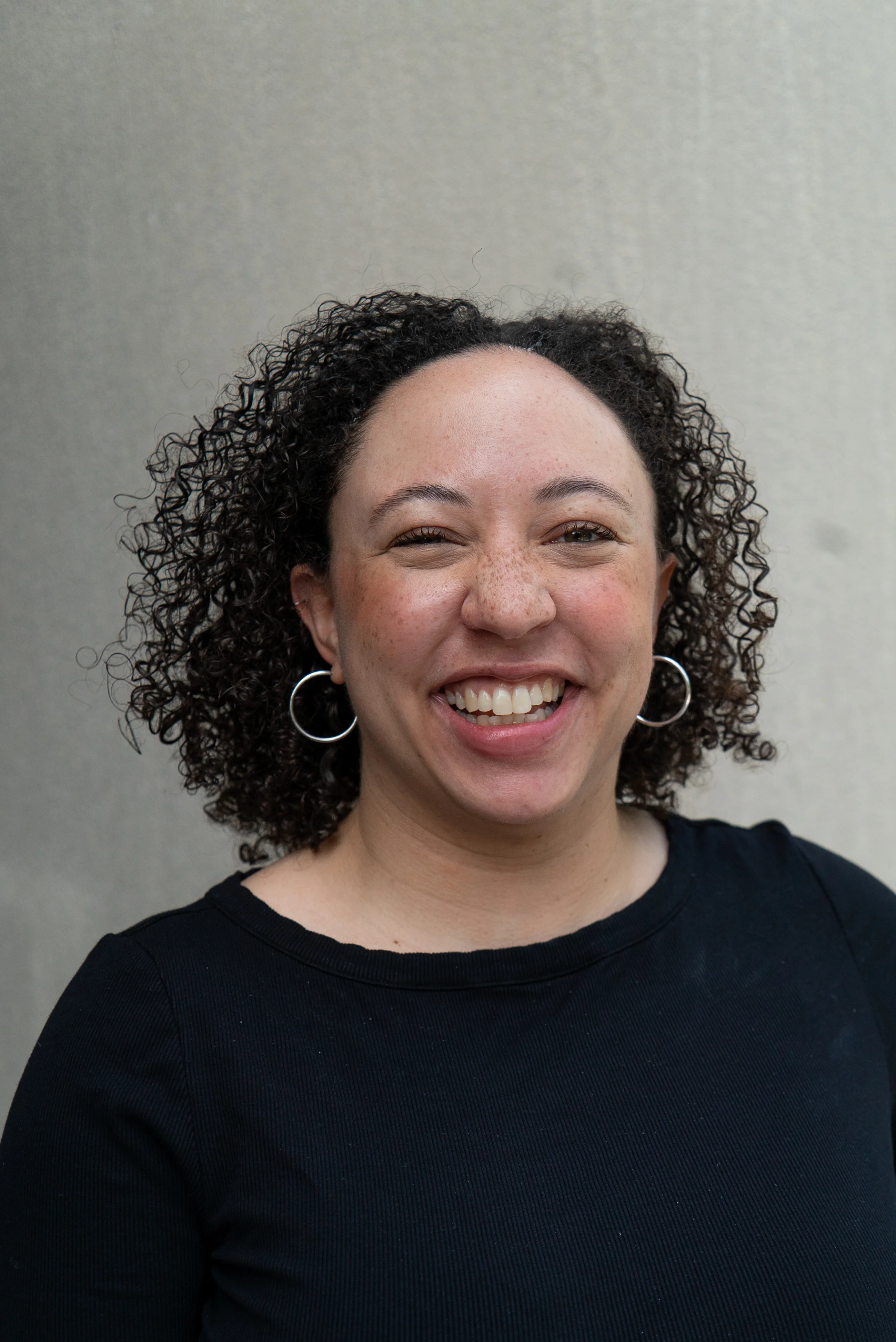
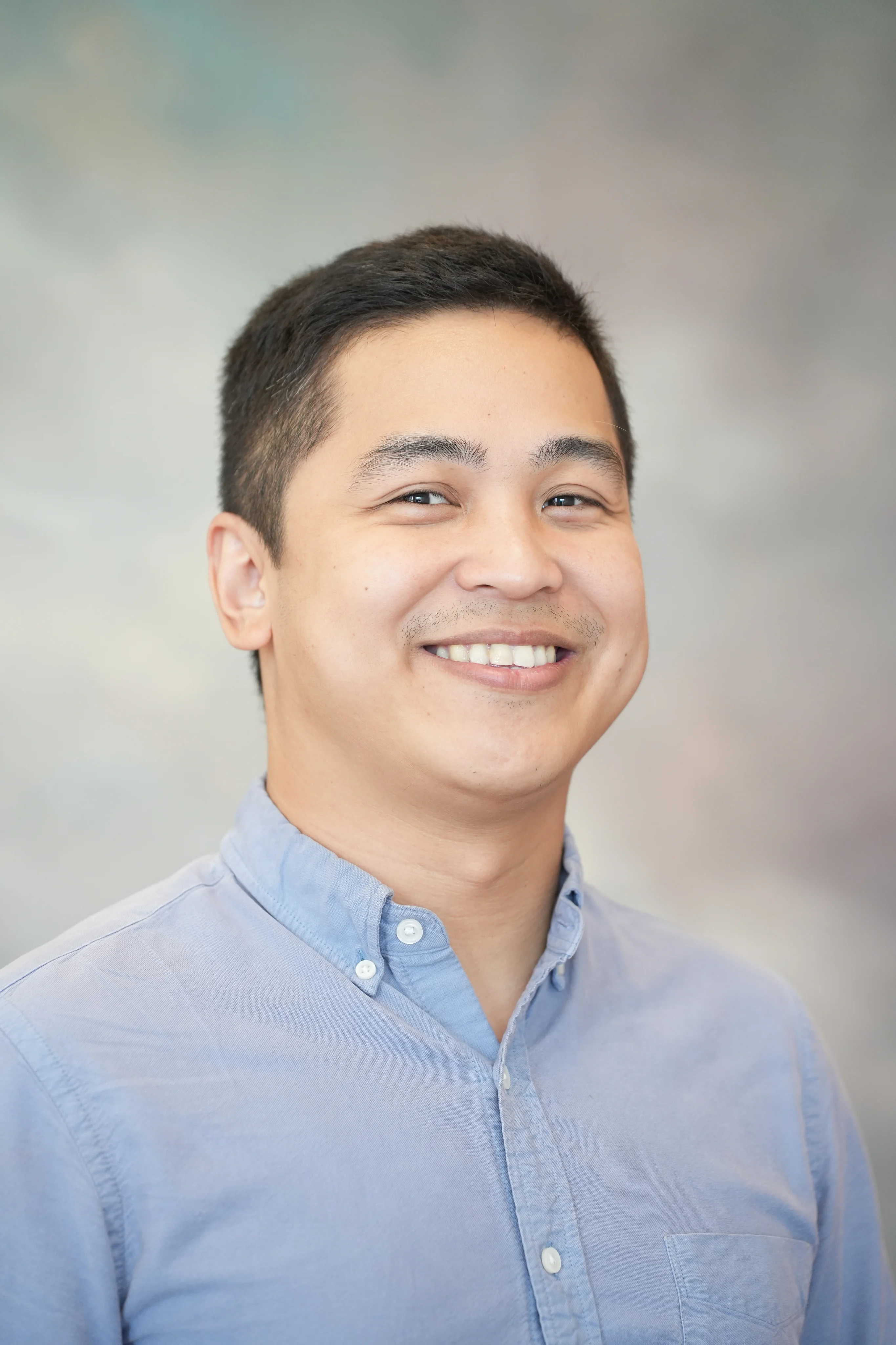
Portrait of Dr. Julie Auger

Dr. Julie Auger

Visiting Assistant Professor, Voice

Focus

Music Building 204

Portrait of Dr. Eunjung Choi

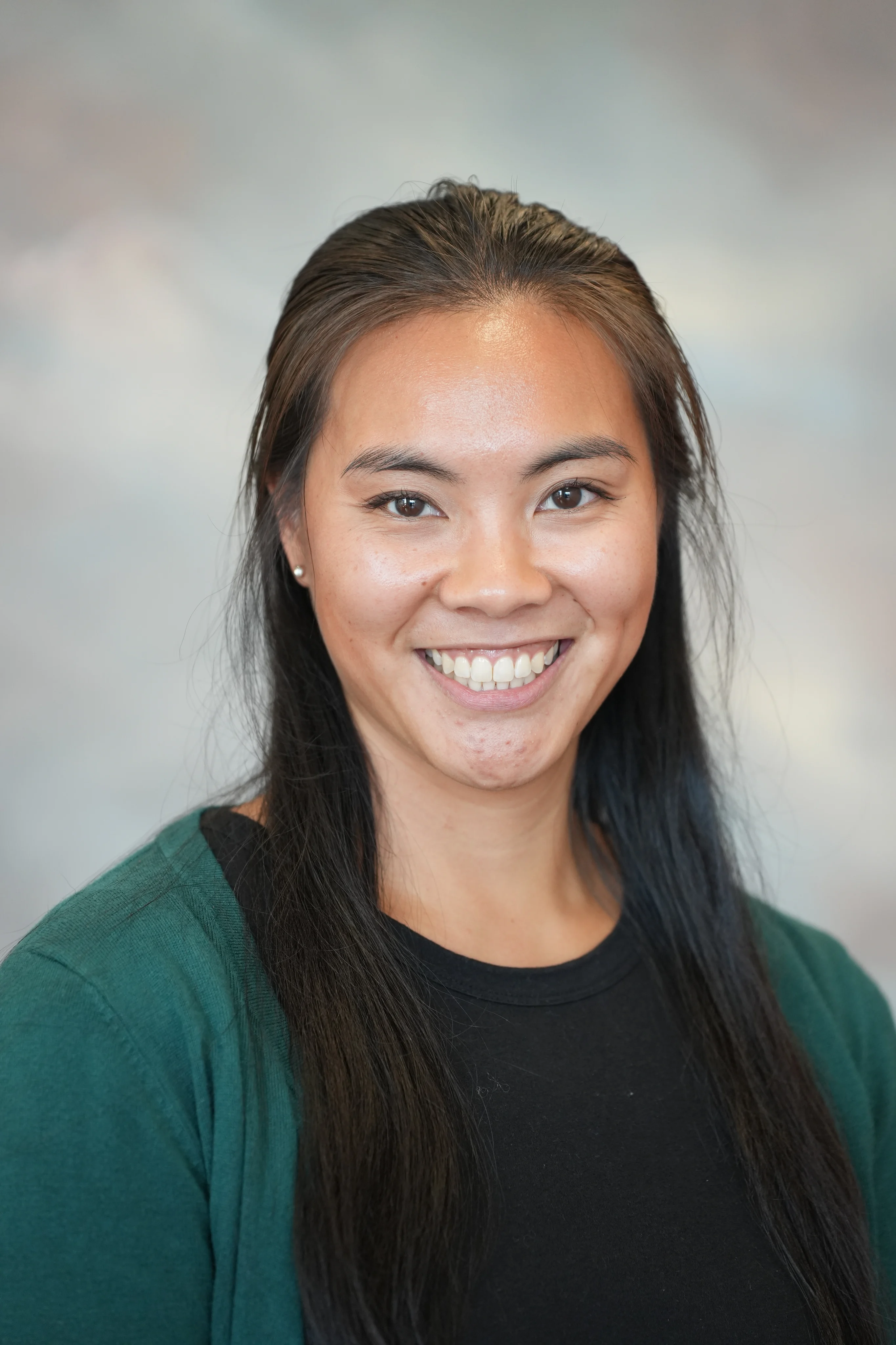
Dr. Eunjung Choi

Interim Chair, Department of Music • Professor of Music, Piano

Focus

WVM Center 115

Portrait of Mr. Allister Frankle

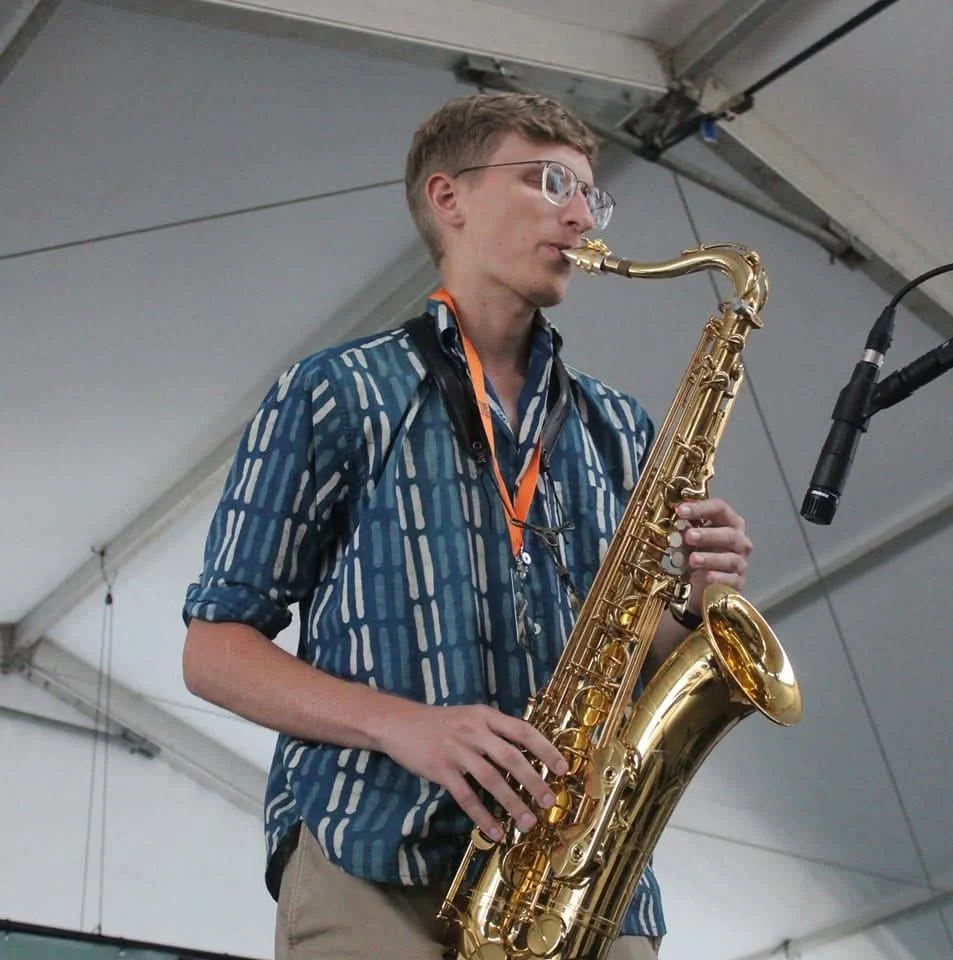
Mr. Allister Frankle

Adjunct Faculty, Saxophone

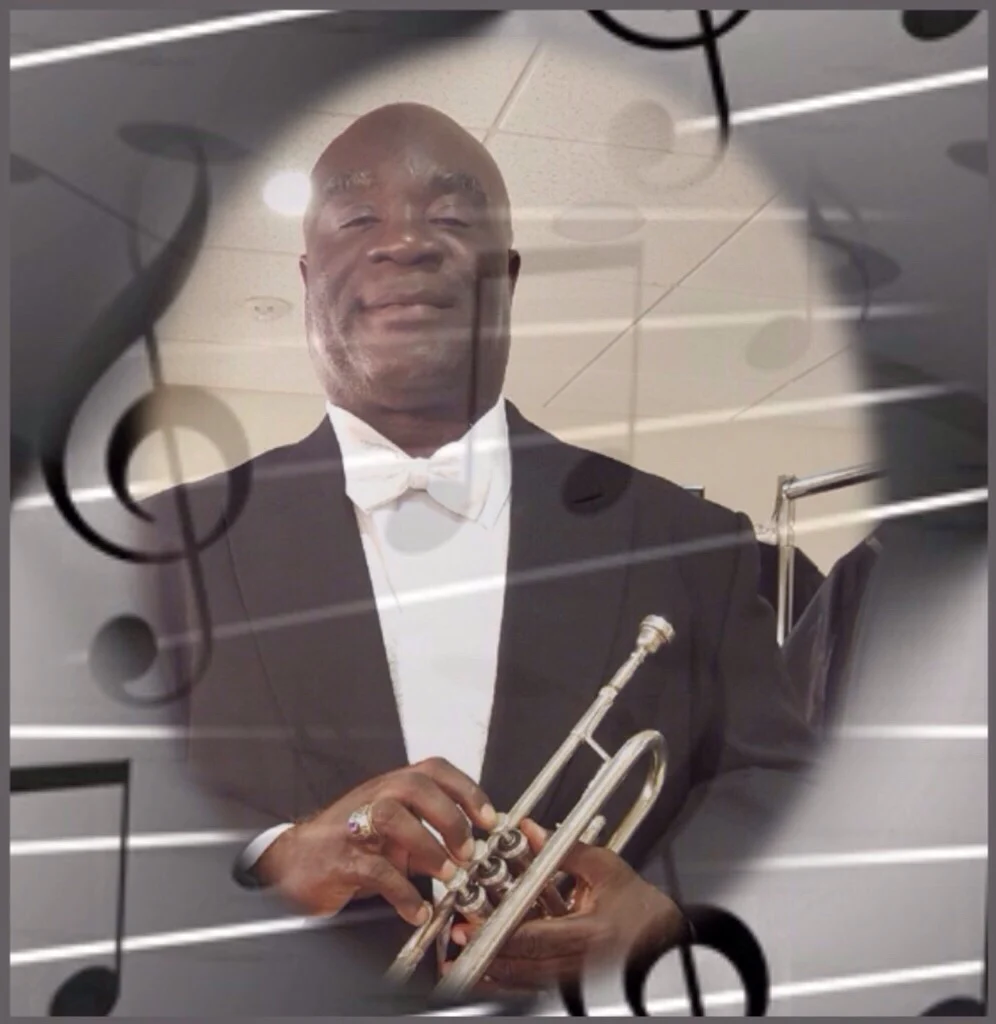
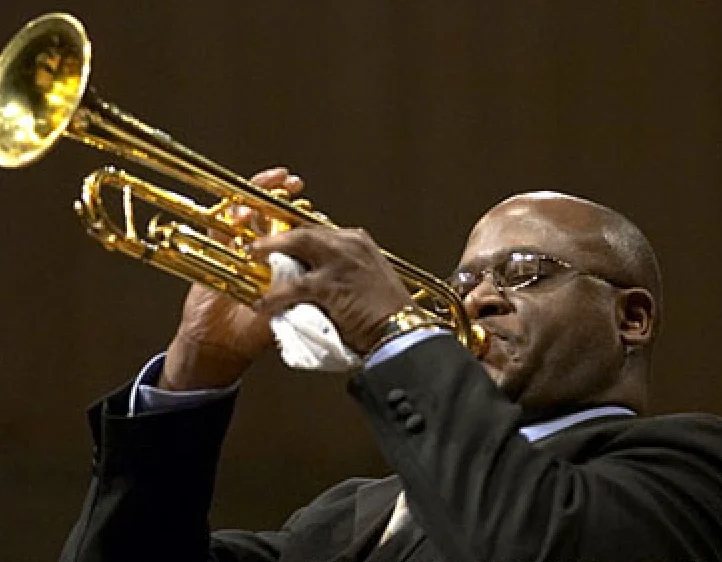
Portrait of Mr. Henry Wade Johnson

Mr. Henry Wade Johnson

Visiting Instructor of Music / Director of Bands

Focus

Music Building 101

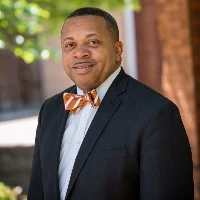
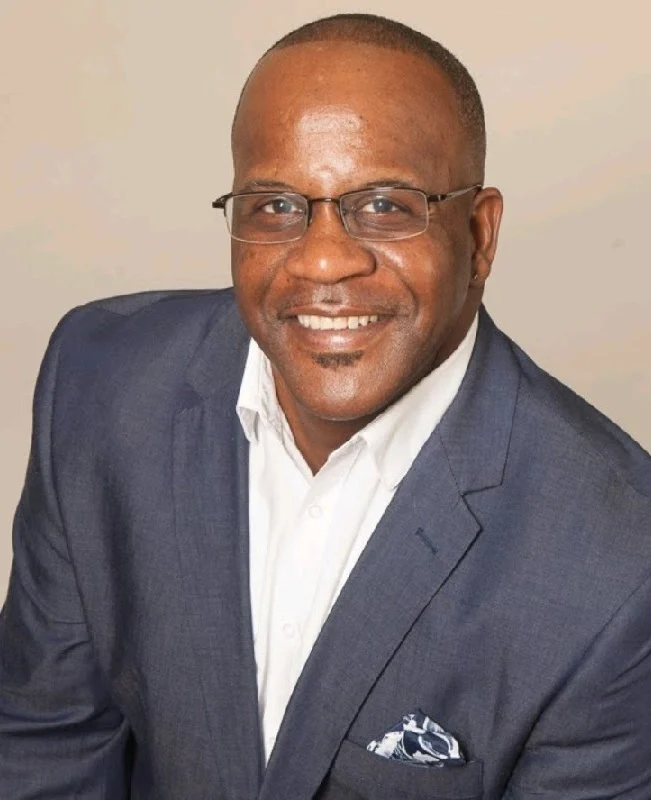
Portrait of Dr. Isaiah R. McGee

Dr. Isaiah R. McGee

Dean, School of Humanities & Social Sciences • Associate Professor of Music

Focus

WVM Center 130

Portrait of Dr. Cana F. McGhee

Dr. Cana F. McGhee

Assistant Professor of Music History / Ethnomusicology

Focus

Music Building 203

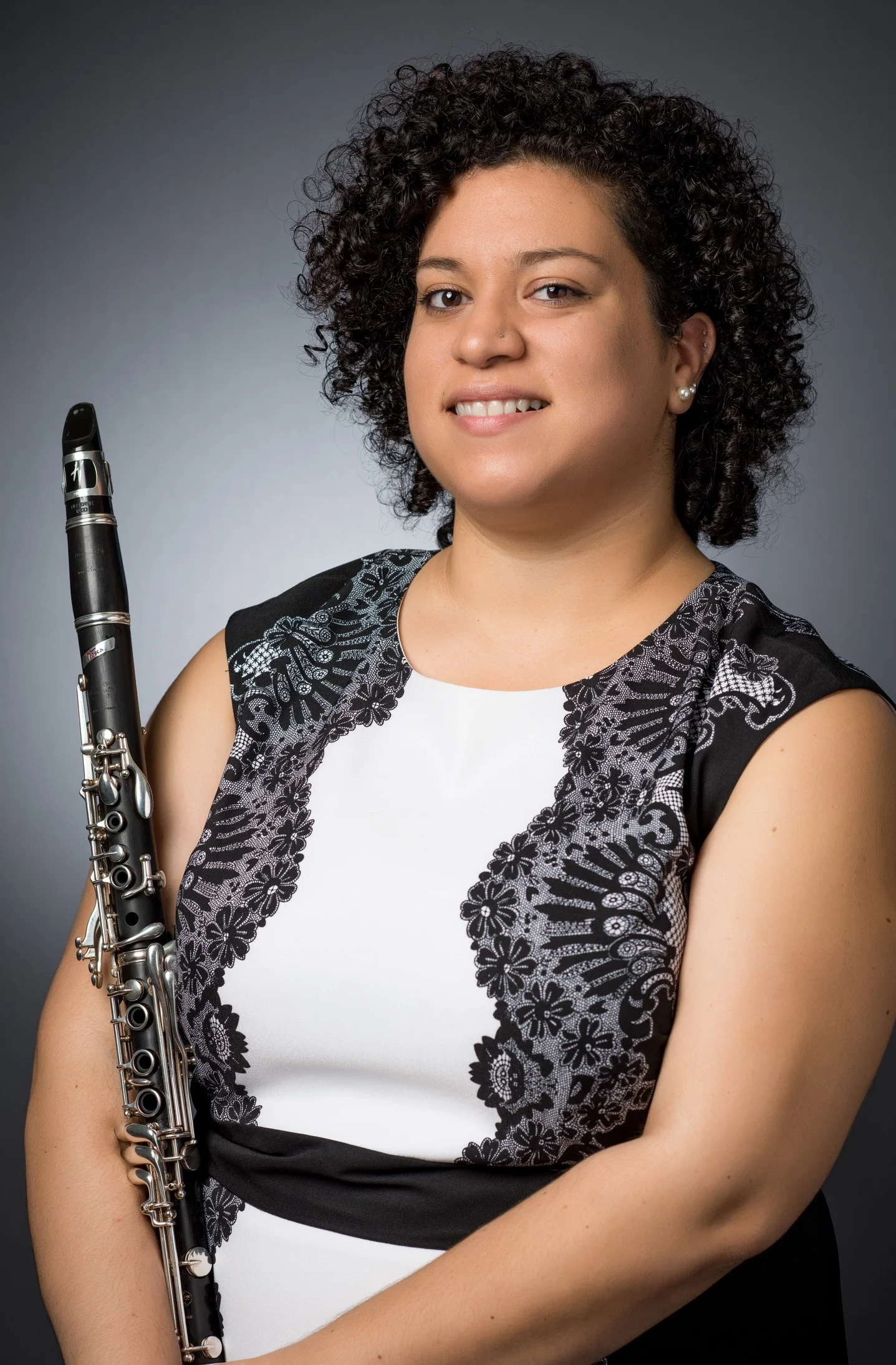
Portrait of Dr. Maria Ortiz-Laboy

Dr. Maria Ortiz-Laboy

Adjunct Faculty, Clarinet

Portrait of Dr. Almond Ponge

Dr. Almond Ponge

Visiting Instructor / Staff Accompanist

Focus

Music Building 306

Portrait of Mr. Endre Rice

Mr. Endre Rice

Instructor of Music / Director of Jazz Studies

Focus

WVM Center 117

Portrait of Dr. Charlie J. Toomer Jr.

Dr. Charlie J. Toomer Jr.

Assistant Professor of Music / Director of Choral Studies

Focus

Music Building 104

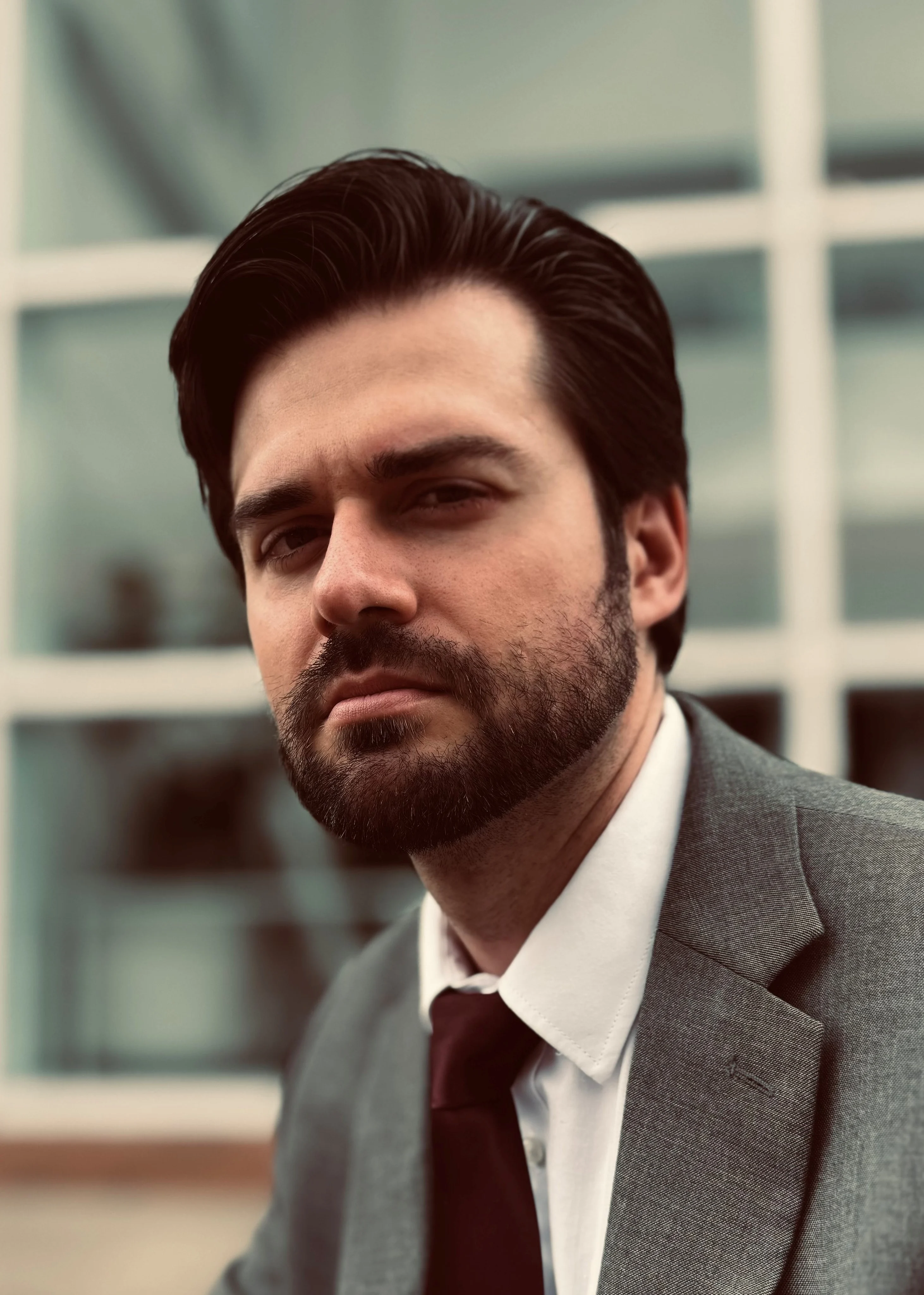
Portrait of Mr. Grant Ebert

Mr. Grant Ebert

Adjunct Faculty, Voice

Student success

Outcomes That Speak for Themselves.

Sample spotlights — replace with real student & alumni stories.

“The Music Education program gave me the mentorship and hands-on experience to step confidently into my career.”
Claflin Graduate
Add alumni name, class year & current role
“My professors knew me by name and pushed me to do work I didn't know I was capable of.”
Current Student
Add student name, classification & spotlight
Admissions

How to Apply.

Requirements

  • Completed Claflin University application
  • Official high school transcript (or college transcripts for transfers)
  • Self-reported test scores (test-optional pathways available)
  • Personal statement and any program-specific materials

Deadlines

  • Fall priority: November 1 — Spring priority: November 15
  • Rolling admission after priority dates while space remains
  • Financial aid: complete the FAFSA by the published priority date

Application Process

  1. 01Submit your free application online
  2. 02Send official transcripts and supporting documents
  3. 03Connect with your admissions counselor
  4. 04Receive your decision and financial aid package
Admissions, scholarships & clinical practice

Admissions & Clinical Practice.

The Bachelor of Arts in Music Education uses the same audition-based admission as the Music major: complete the audition form, audition, and music theory diagnostic.

Music scholarship auditions are held throughout the year for students who demonstrate exceptional performance ability and academic achievement, with awards ranging from $500 to full tuition, room and board. Scholarship audition deadlines are listed on the Department of Music Audition Application; additional aid is available through the University's Office of Financial Aid.
Download the 2026 audition application (PDF)
01

Music Department Audition Form

Complete the Department of Music audition form (different from the general Claflin University application). Specific instructions are included in the document, and the completed form can be emailed to the Music office at music@claflin.edu.

02

Audition

Your audition has three parts — an introduction, scales, and two contrasting pieces. Before each scale or piece, announce what you are performing.

Introduction & questions
  • Introduce yourself and share your musical background (typically 3–5 minutes)
  • What is your name?
  • What is your primary voice/instrument?
  • What is your intended major?
Scales — Vocal
  • Perform a major scale that demonstrates your vocal range (sing on any syllable)
Scales — Piano
  • At least 2 major scales of your choice — one starting on a white key, one on a black key
  • Hands together, two octaves, including arpeggios
  • Optional: 2 minor scales (same requirements)
Scales — Instrumental
  • 2 major scales (one sharp key, one flat key) with arpeggios, as many octaves as possible
  • 1 full-range chromatic scale (if possible)
Repertoire
  • Perform two pieces of contrasting style; announce each title and composer
  • Vocal & piano: perform from memory if possible
  • Instrumental: may perform a single piece; etudes are acceptable for contrast
03

Music Theory Diagnostic

Complete the music theory diagnostic — a short, untimed test (about 30 minutes) assessing fundamentals of music notation and theory: clefs, note names, rhythm and meter, and scales.

04

Admission to Clinical Practice (Student Teaching)

Admission to professional clinical practice typically occurs in the first semester of the senior year, once all of the following have been achieved:

Requirements
  • Cumulative GPA of at least 2.75
  • Passing scores on all appropriate Praxis II content exams
  • Passing score on the Principles of Learning and Teaching exam
  • Acceptable professional clinical practice interview evaluations
  • Passing scores on field experience evaluations
  • 100 documented hours of field experience
  • Successful fingerprint and background review
  • Grade of "C" or higher in all major courses

We look forward to hearing from you! — Claflin University Department of Music

Answer the call

Your Music Education Journey Starts Here.

Take the next step toward a Claflin education — apply, request information, or schedule a visit today.