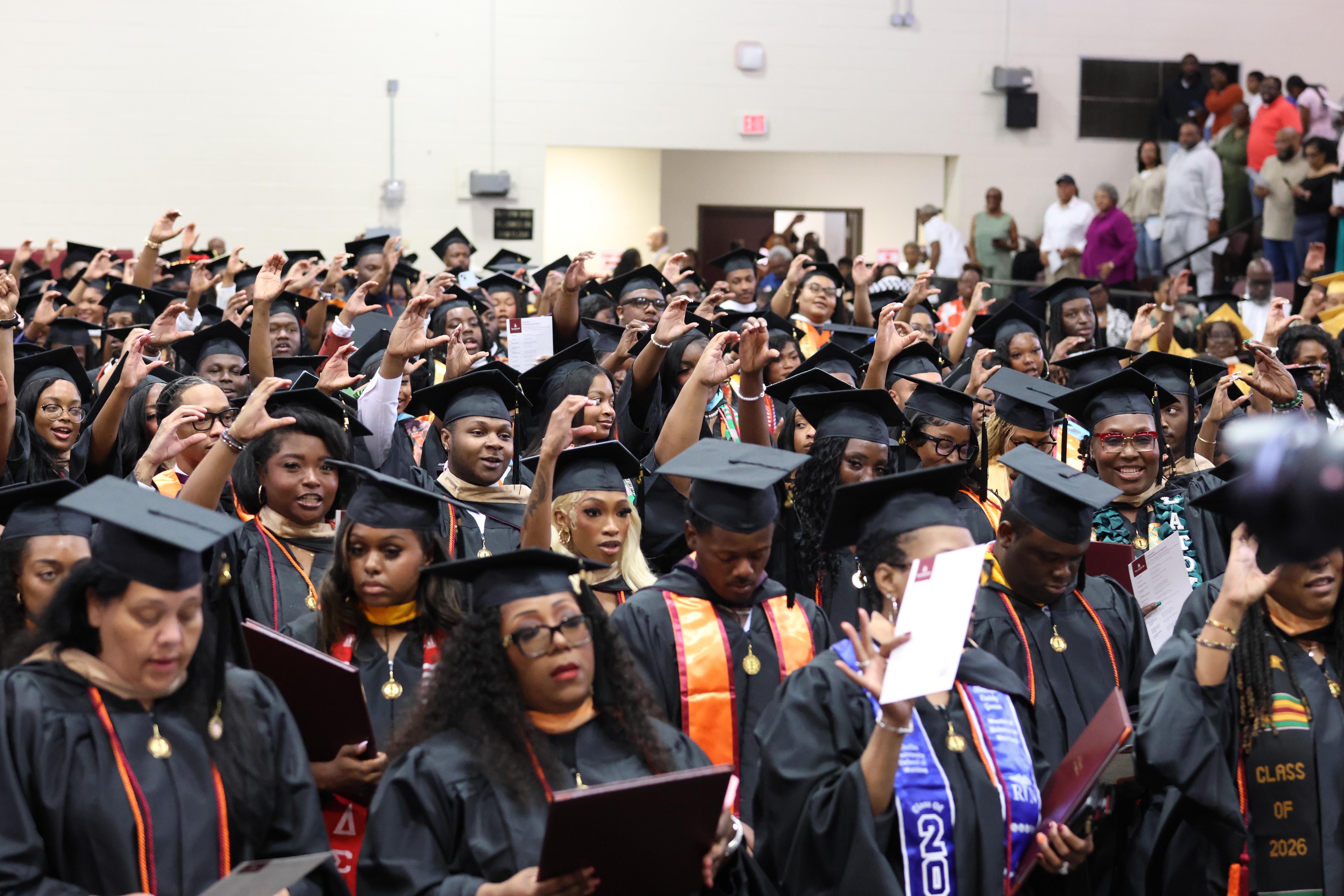
Psychology
Explore the mind and behavior to help people and communities thrive.
Inside Psychology.
The Psychology program studies human thought, emotion, and behavior through scientific research and applied practice.
Graduates pursue careers in behavioral health, human services, and research, and gain a strong foundation for graduate study in psychology and counseling.
Students in Psychology learn in small, mentorship-driven classes, work closely with faculty on research and creative projects, and build a portfolio of real-world experience before they graduate.
What You'll Learn
- 01Apply foundational theories, methods, and findings in psychology
- 02Use critical thinking and data to address behavioral questions
- 03Communicate psychological ideas clearly in written and oral forms
- 04Demonstrate professional, ethical, collaborative, and culturally responsive practice
Why This Program
- Research opportunities with faculty
- Pathways to counseling and clinical graduate study
- Pathways to applied psychology graduate programs
What You'll Study.
Major Requirements
- 0123 credit hours of major requirements
- 0221-credit General Psychology, Counseling, or Research concentration
General Education
- 0139 semester credit hours
Electives
- 0118-credit minor
- 0219 credit hours of electives
- 03Total program requirement: 120 credit hours
Downloadable curriculum sheet — coming soon
Where This Degree Takes You.
Prepared for Any Career That Works with People.
Psychology teaches you how people think, feel, and act. That understanding is valuable in any job where you serve the public or work closely with others.
In 2023, an estimated 659,900 early-career workers held a bachelor's degree in psychology as their highest degree. They worked in 75 of 129 occupation categories, including counseling, social work, health services, teaching, management, personnel, sales, and protective services.
Common Job Titles
- Behavioral Health Technician
- Case Manager
- Research Assistant
- Human Resources Specialist
- Counselor (with graduate degree)
Graduate School Options
- Master's in Counseling
- Clinical / Counseling Psychology Ph.D.
- Social Work (MSW)
- Master's in Public Health
- Master's in Forensic Psychology
- And more!
Industry Sectors
- Behavioral Health
- Human Services
- Education
- Research
Salary outcomes vary by role and region — connect with Claflin Career Services for current, verified data for this field.
Add program placement rate and outcomes data
Experiential learning
Learn by Doing.
Real experience is built into the program — from internships and research to service learning and study abroad.
Internships
Placements with regional employers and partners connected to the Department of Social Sciences.
Undergraduate Research
Mentored, faculty-led research beginning as early as the first year.
Field Experiences
Site visits and community-based learning that apply classroom theory.
Service Learning
Projects that connect coursework to Orangeburg and the surrounding community.
Study Abroad
Global programs coordinated through the Office of Global Programs.
Learn from Dedicated Scholars.
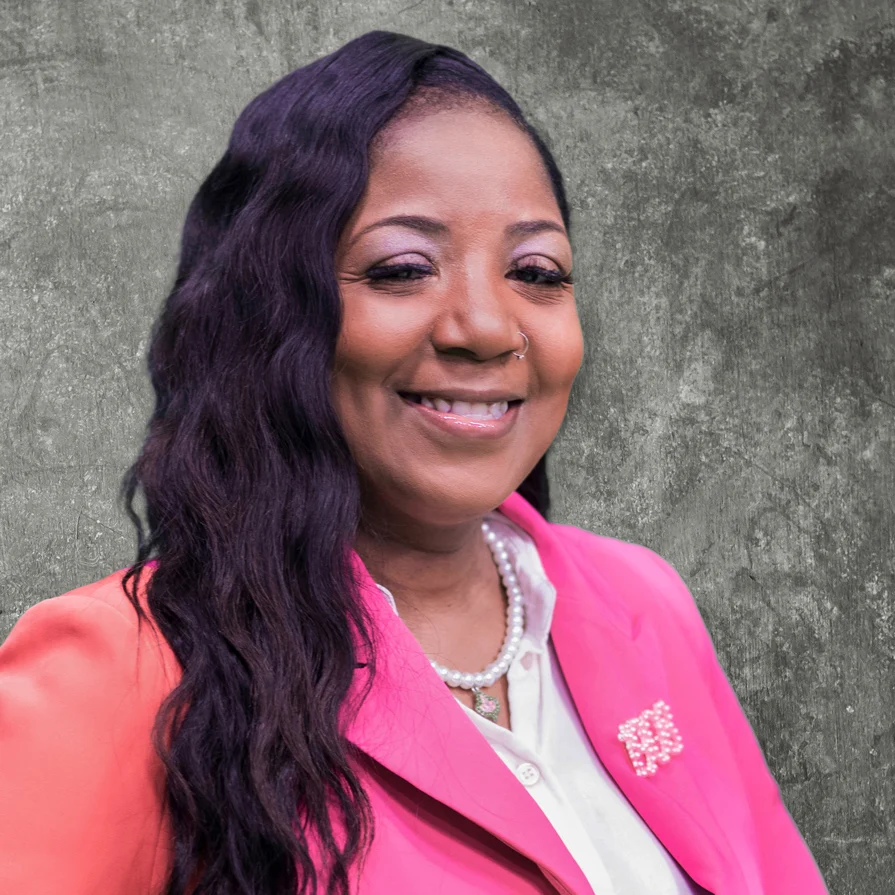
Dr. Candice Idlebird
Department Chair of Social Sciences / Associate Professor of Sociology
Systemic inequalities, criminology, racial framing, social justice, marginalized communities navigating social institutions, inclusive STEM education, diversity and representation in higher education, and the integration of artificial intelligence and emerging technologies in educational environments.
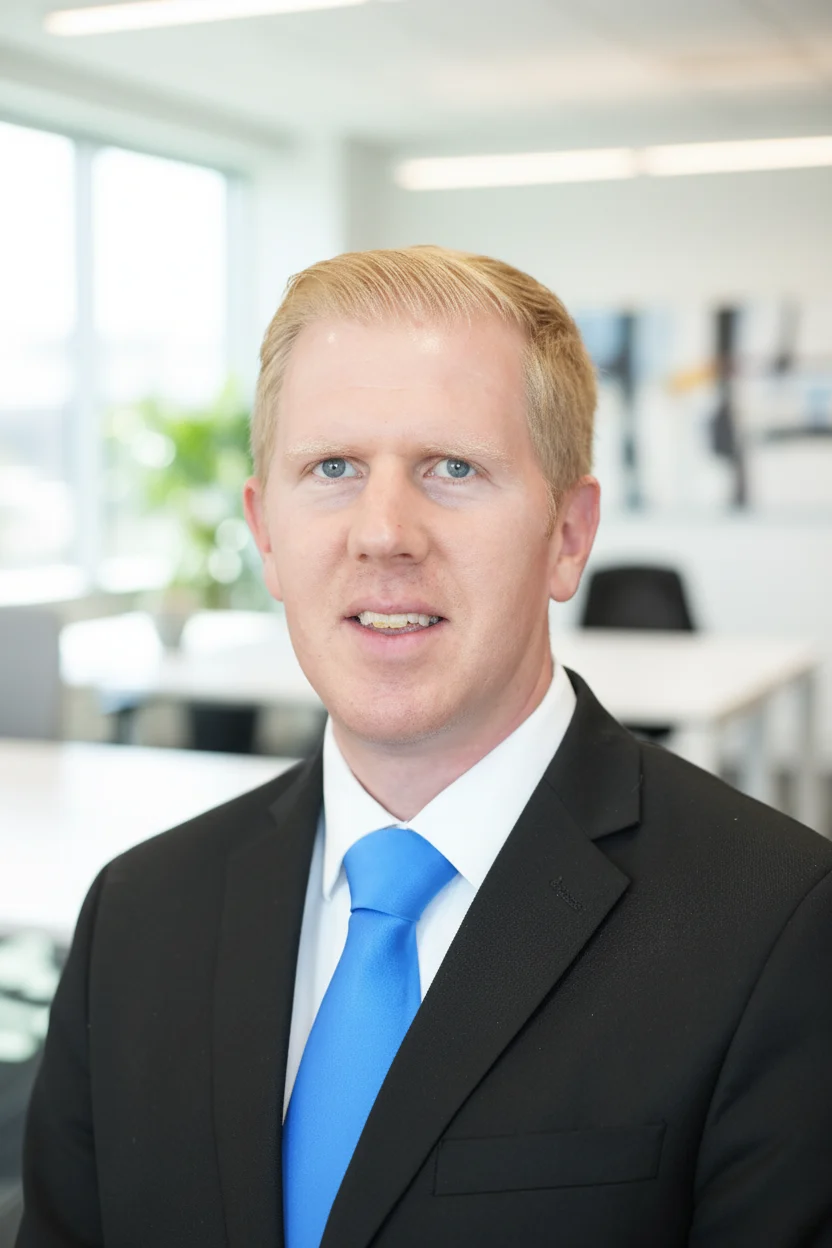
Matthew A. Hiatt, Ph.D.
Associate Professor of Psychology
Applied social psychology, group and team dynamics
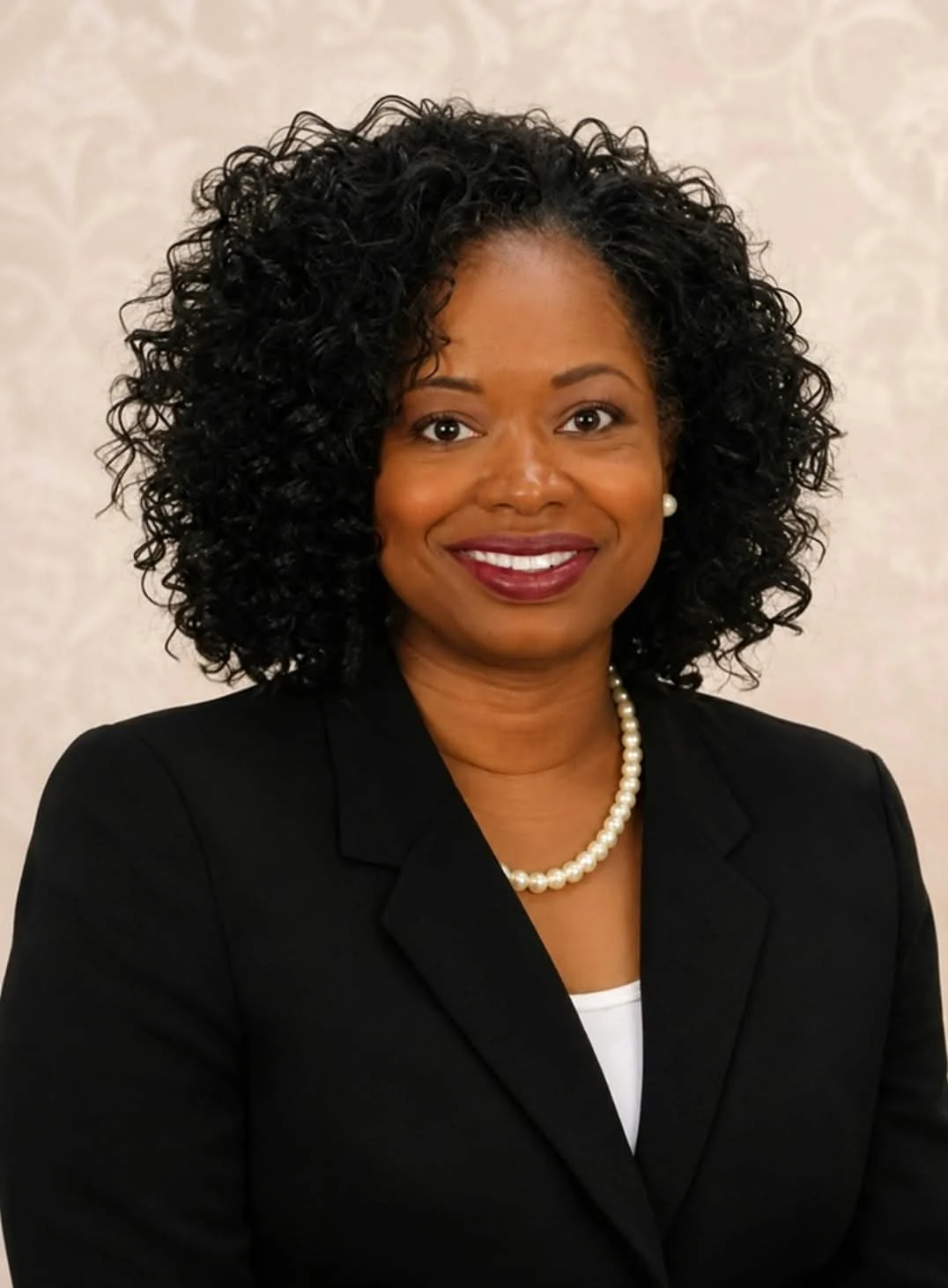
Catherine Packer-Williams, Ph.D., LPC
Assistant Professor of Psychology • Coordinator of Graduate Programs in Psychology
Mixed-methods researcher with interests in counseling psychology, multicultural counseling, social justice, and the intersection of race, gender, and education, with particular emphasis on African American women.
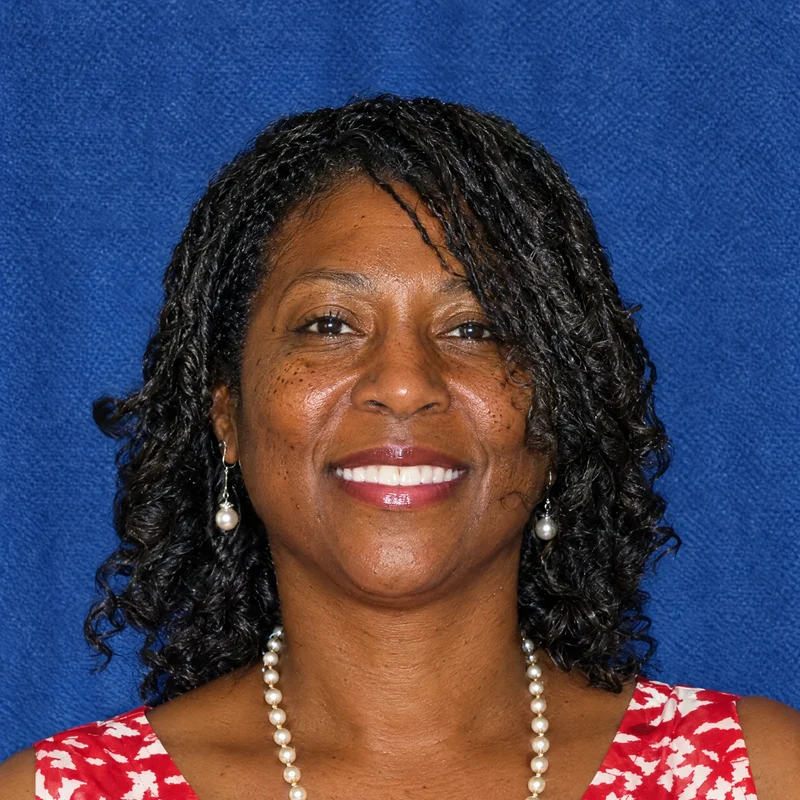
Mahalah Bowman Campbell, PhD., MA, MBA, GCDF, CFDM, CABA
Assistant Professor of Psychology • Psychology Club Advisor
General Psychology, Cognitive & Behavioral Science, Research Psychology, and Mental Health Psychology
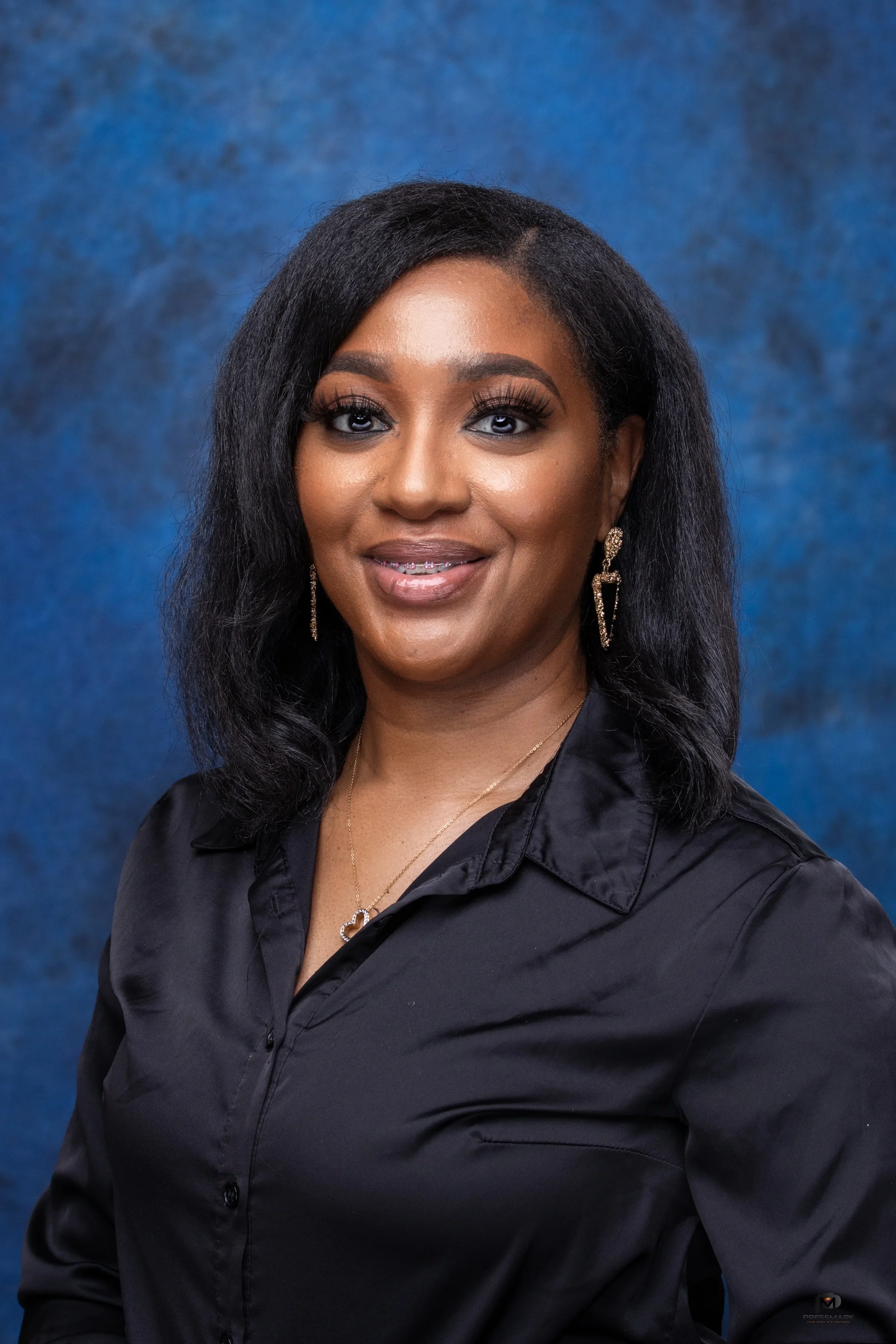
Whitney Johnson, PhD
Visiting Assistant Professor of Psychology
Study of human behavior, psychological processes, and the factors that influence individual development. Forensic psychology where the intersection of psychology, human behavior, and the criminal justice system is connected.
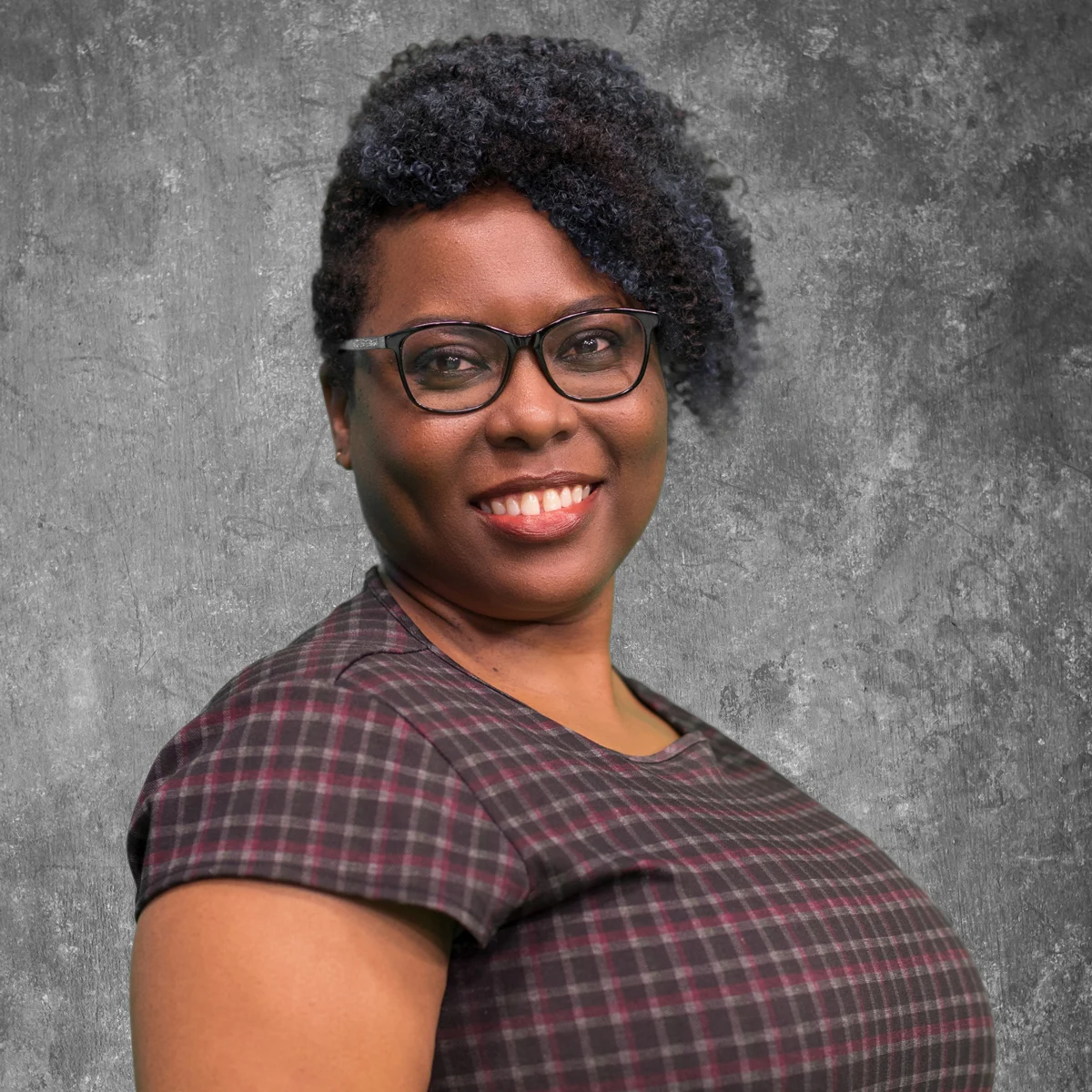
Dr. Sharon W. L. Richards, Ph.D.
Senior Lecturer of Psychology • Director, CU Center for Aging Education
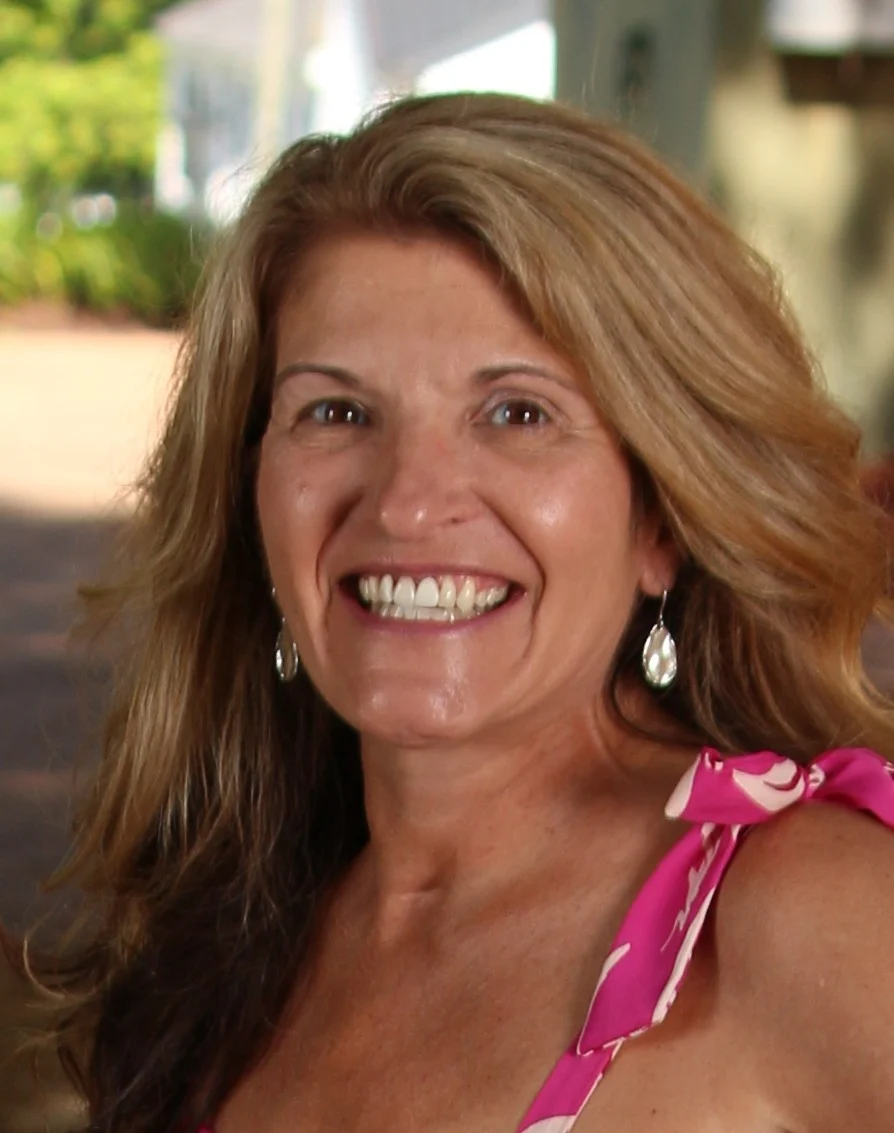
Michelle Provost, MS, LPC
Instructor of Psychology • Faculty Athletic Representative
Related programs
You Might Also Explore.
Students interested in Psychology often consider these related programs.
How to Apply.
Requirements
- Completed Claflin University application
- Official high school transcript (or college transcripts for transfers)
- Self-reported test scores (test-optional pathways available)
- Personal statement and any program-specific materials
Deadlines
- Fall priority: November 1 — Spring priority: November 15
- Rolling admission after priority dates while space remains
- Financial aid: complete the FAFSA by the published priority date
Application Process
- 01Submit your free application online
- 02Send official transcripts and supporting documents
- 03Connect with your admissions counselor
- 04Receive your decision and financial aid package
Answer the call
Your Psychology Journey Starts Here.
Take the next step toward a Claflin education — apply, request information, or schedule a visit today.