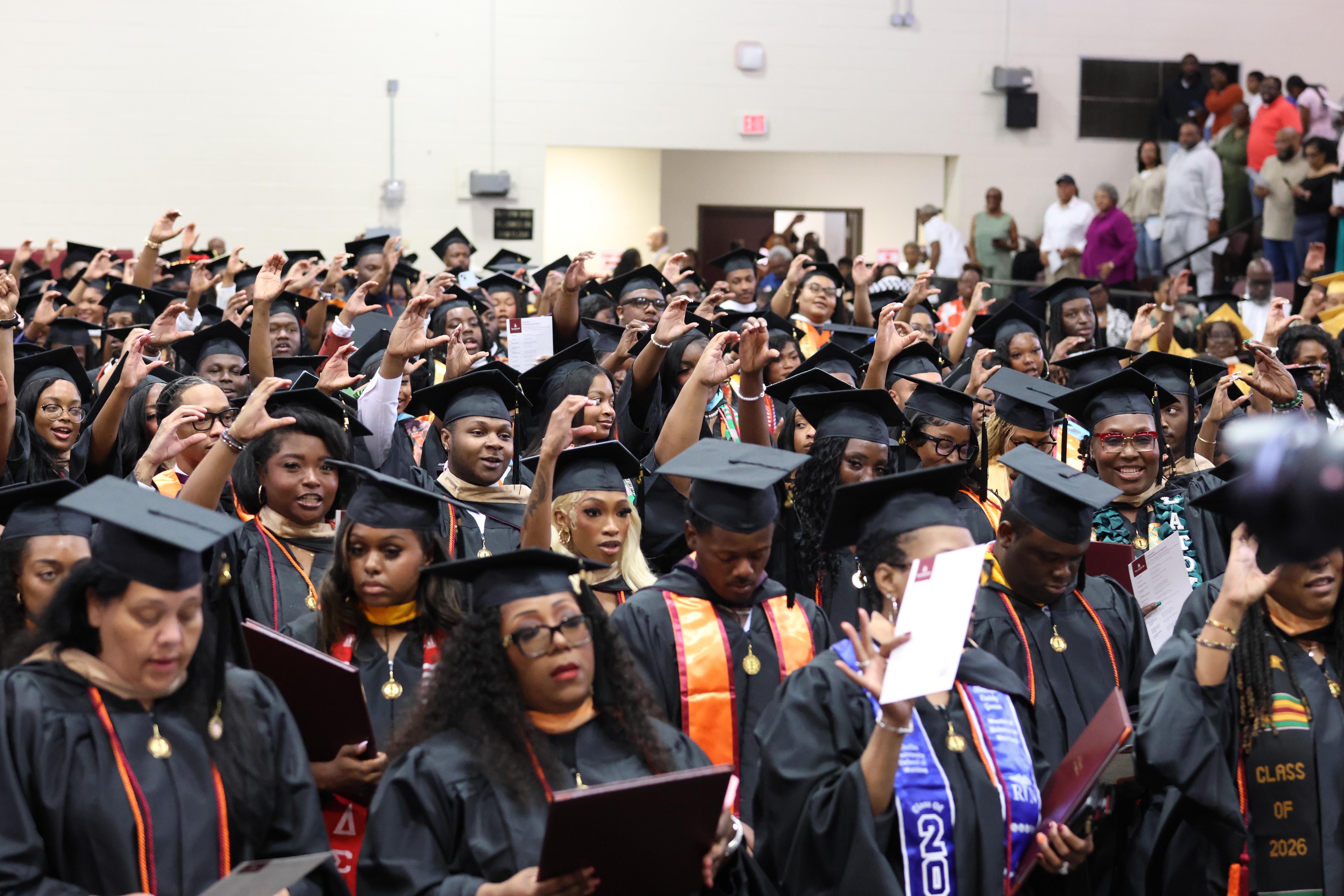
Claflin University students and campus life
Department of Mathematics & Computer Science

Mathematics

Build the quantitative foundation for careers in data, finance, and research.

Degree Type
Bachelor of Science
Program Length
4 years (full-time)
Credit Hours
120 credit hours
Delivery Format
On-campus
Department
Department of Mathematics & Computer Science
School
Natural Sciences & Mathematics
Career Outlook
Steady regional demand
Location
Orangeburg, SC
Overview

Inside Mathematics.

The Mathematics major develops rigorous analytical, problem-solving, and quantitative reasoning skills.

Graduates pursue careers in data, finance, education, and research, and strong preparation for graduate study.

Student experience

Students in Mathematics learn in small, mentorship-driven classes, work closely with faculty on research and creative projects, and build a portfolio of real-world experience before they graduate.

What You'll Learn

  • 01Formulate mathematical models and use them to solve problems
  • 02Apply rigorous quantitative and logical reasoning
  • 03Communicate mathematical concepts clearly
  • 04Prepare for graduate study and professional work in mathematics or statistics

Why This Program

  • Versatile, high-demand quantitative degree
  • Strong graduate-school preparation
  • Research and data opportunities
Program details

From the Program

Intro

The Mathematics degree program is structured to cultivate analytical and quantitative skills through a rigorous curriculum that spans pure and applied mathematics. This program fosters a deep understanding of mathematical theories and their practical applications, preparing students for diverse careers in academia, industry, finance, and research. Students engage with complex problem-solving, computational techniques, and logical reasoning, essential for excelling in fields that require high levels of mathematical proficiency.

The Mathematics degree program is designed to provide students with a deep and comprehensive understanding of mathematical concepts and methodologies. This program emphasizes both pure and applied mathematics, preparing students to solve complex problems and develop analytical skills applicable in a variety of professional fields. With a focus on developing critical thinking and problem-solving abilities, the curriculum prepares students for advanced studies and a wide range of career opportunities.

Student Opportunities

Students in the Mathematics program benefit from engaging with a curriculum that includes advanced coursework, research opportunities, and collaborative projects. They have access to faculty-led research in areas such as algebra, analysis, topology, and applied mathematics, providing them with a platform to contribute to ongoing mathematical advancements. The program also encourages participation in internships and co-op programs that allow students to apply their mathematical skills in real-world settings.

Mathematics students are often involved in academic competitions such as the Putnam Exam and modeling competitions like the Mathematical Contest in Modeling (MCM). Additionally, the department frequently hosts seminars and guest lectures from distinguished mathematicians, providing students with networking opportunities and insights into various mathematical careers.

Careers and Outcomes

Graduates from the Mathematics program are highly sought after for their ability to think logically and solve complex problems. They pursue a diverse array of careers in sectors such as finance, technology, education, and government. Common career paths include:

Actuary — Uses mathematics, statistics, and financial theory to study uncertain future events, primarily in the insurance and finance industries.

Data Scientist — Analyzes complex data sets to assist in decision-making processes.

Quantitative Analyst — Develops and implements complex mathematical models used to make decisions about risk management, investments, and pricing strategies.

Cryptographer — Designs and analyzes algorithms and protocols to secure data and communications.

Mathematical Modeler — Uses mathematical models to simulate real-world phenomena, providing insights for industries such as engineering and environmental science.

Operations Research Analyst — Optimizes systems and processes through mathematical modeling and decision analysis.

Statistician — Collects, analyzes, and interprets data to identify trends and relationships, often for public health, economics, or social research purposes.

Mathematics Educator — Teaches mathematical concepts at secondary or postsecondary institutions.

Financial Planner — Uses knowledge of tax laws, investment strategies, and securities to advise clients on financial plans that will secure their future.

10

Economic Analyst — Studies economic data and trends to help understand and predict market behaviors.

This diverse skill set enables Mathematics graduates to thrive in various roles that require high levels of analytical thinking and problem-solving capabilities, ensuring they are well-prepared for both academic pursuits and professional careers.

Curriculum

What You'll Study.

Major Requirements

  • 0143–44 credit hours of major requirements

General Education

  • 0140 semester credit hours

Electives

  • 0112 credit hours of restricted electives
  • 0225–27 credit hours of free electives
  • 03Total program requirement: 120 credit hours

Downloadable curriculum sheet — coming soon

Career pathways

Where This Degree Takes You.

Common Job Titles

  • Data Analyst
  • Actuary
  • Statistician
  • Math Educator
  • Operations Analyst

Graduate School Options

  • M.S. / Ph.D. in Mathematics
  • Data science programs
  • Statistics programs

Industry Sectors

  • Data & Analytics
  • Finance & Insurance
  • Education
  • Research
Salary outlook

Salary outcomes vary by role and region — connect with Claflin Career Services for current, verified data for this field.

Employment statistics

Add program placement rate and outcomes data

Experiential learning

Learn by Doing.

Real experience is built into the program — from internships and research to service learning and study abroad.

Internships

Placements with regional employers and partners connected to the Department of Mathematics & Computer Science.

Undergraduate Research

Mentored, faculty-led research beginning as early as the first year.

Field Experiences

Site visits, practica, and community-based learning that apply classroom theory.

Service Learning

Projects that connect coursework to Orangeburg and the surrounding community.

Study Abroad

Global programs coordinated through the Office of Global Programs.

Faculty

Learn from Dedicated Scholars.

Portrait of Dr. Abdelrahman Desoky

Dr. Abdelrahman Desoky

Associate Professor of Computer Engineering

Portrait of Mr. Daryoush Mani

Mr. Daryoush Mani

Assistant Professor of Mathematics

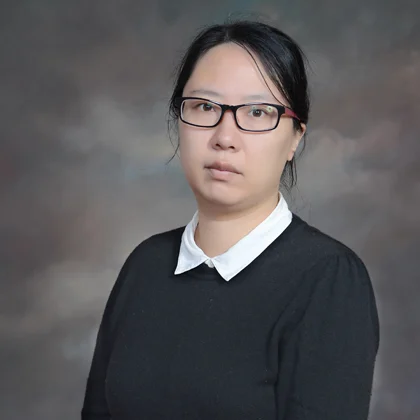
Portrait of Dr. Yuanyuan Peng

Dr. Yuanyuan Peng

Associate Professor of Mathematics

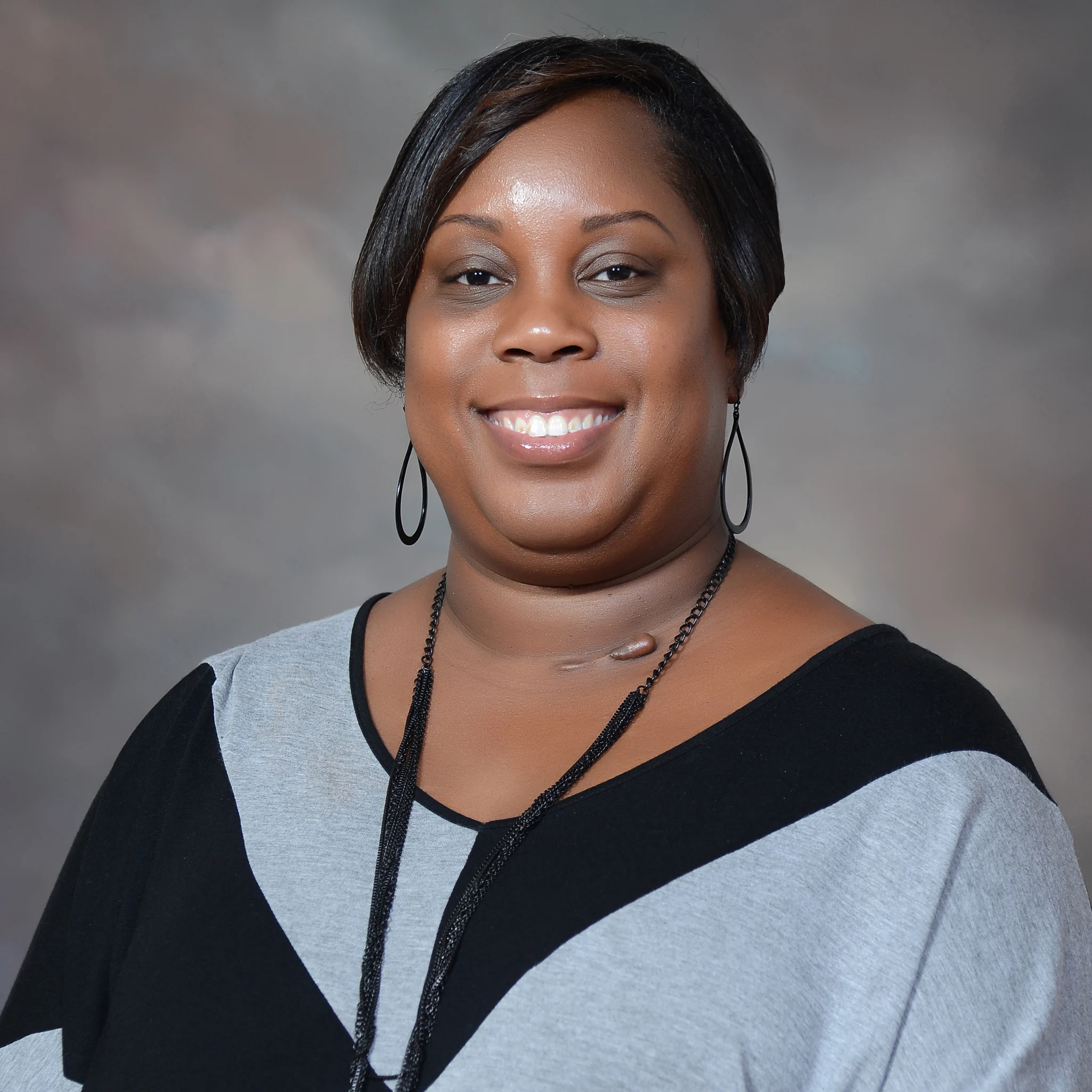
Portrait of Ms. Erika L. Rhett

Ms. Erika L. Rhett

Lecturer Dept. of Math & Computer Sciences

Portrait of Dr. Nesan S. Sriskanda

Dr. Nesan S. Sriskanda

Associate Professor of Engineering & Mathematics

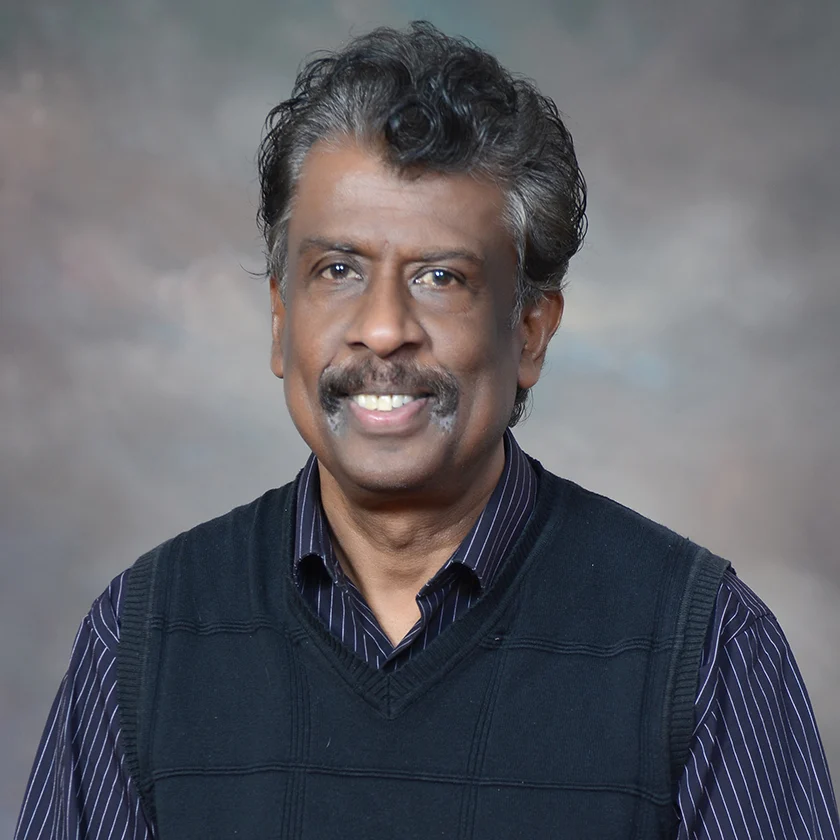
Dr. Somasundaram Velummylum

Professor of Mathematics

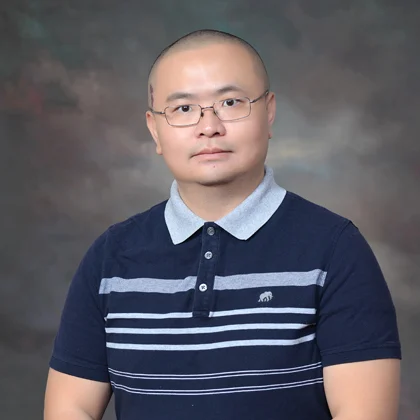
Portrait of Dr. Wei Wan

Dr. Wei Wan

Associate Professor of Mathematics

Student success

Outcomes That Speak for Themselves.

Sample spotlights — replace with real student & alumni stories.

“The Mathematics program gave me the mentorship and hands-on experience to step confidently into my career.”
Claflin Graduate
Add alumni name, class year & current role
“My professors knew me by name and pushed me to do work I didn't know I was capable of.”
Current Student
Add student name, classification & spotlight
Admissions

How to Apply.

Requirements

  • Completed Claflin University application
  • Official high school transcript (or college transcripts for transfers)
  • Self-reported test scores (test-optional pathways available)
  • Personal statement and any program-specific materials

Deadlines

  • Fall priority: November 1 — Spring priority: November 15
  • Rolling admission after priority dates while space remains
  • Financial aid: complete the FAFSA by the published priority date

Application Process

  1. 01Submit your free application online
  2. 02Send official transcripts and supporting documents
  3. 03Connect with your admissions counselor
  4. 04Receive your decision and financial aid package

Answer the call

Your Mathematics Journey Starts Here.

Take the next step toward a Claflin education — apply, request information, or schedule a visit today.